These were the winners of the project IV:
* Pablo, Diego and Daniel (2º a)
* Blanca, Lucía and Paula (2º b)
Well done!!
(You can find the Powerpoint [or Prezi...] presentation into their own portfolio).

VILLACORCHEA
Tuesday, 26 March 2019
N. SELF-ASSESSMENT (SECOND TERM)
1- WHAT CAN I DO THAT I COULDN'T DO BEFORE?
2- WHAT DO I LIKE MOST?
3- WHAT DO I DO WELL?
4- WHAT AM I CONFUSED ABOUT?
5- WHAT DO I NEED HELP WITH?
6- WHAT DO I DO IN ENGLISH AND/OR MUSIC OUTSIDE THE CLASS?
7- WHAT DO I NEED TO IMPROVE?
8- WHAT DID I LEARN ABOUT CULTURE?
2- WHAT DO I LIKE MOST?
3- WHAT DO I DO WELL?
4- WHAT AM I CONFUSED ABOUT?
5- WHAT DO I NEED HELP WITH?
6- WHAT DO I DO IN ENGLISH AND/OR MUSIC OUTSIDE THE CLASS?
7- WHAT DO I NEED TO IMPROVE?
8- WHAT DID I LEARN ABOUT CULTURE?
Friday, 22 March 2019
M. VOCABULARY III
Genre: género.
Folk music: música folclórica.
World music: músicas del mundo.
Popular music: música popular.
Vinyl record: disco de vinilo.
Sacred music: música sacra.
Dance music: música de danza.
Soundtrack: banda sonora.
Choreography: coreografía.
Ballet: ballet.
Stage: escenario.
Improvisation: improvisación.
Flamenco: flamenco.
Synthesizer: sintetizador.
Middle Ages: Edad Media.
Renaissance: Renacimiento.
Baroque: Barroco.
Classicism: Clasicismo.
Romanticism: Romanticismo.
Impressionism:Impresionismo.
Twentieth Century Music: Música del Siglo XX.
Triplet: tresillo.
Anacrusis note: nota anacrúsica.
Fret: traste.
Gregorian chant: canto gregoriano.
Opera: ópera.
Program music: música programática.
Gothic Rock: Rock Gótico.
New Wave: "nueva ola".
Symphony: sinfonía.
Mass: misa.
Consonance:consonancia.
Dissonance: disonancia.
Theme: tema musical (principal).
Stress: acento.
Reed: lengüeta.
Polyphony: polifonía.
Friday, 8 February 2019
K. VIRTUAL KEYBOARD
Hi guys!! Here you have a virtual keyboard (click the URL), a really useful way to practice intervals, chords, accidentals (sharps and flats), melodies an so on.

https://teclado-pianovirtual.online/
https://teclado-pianovirtual.online/
Friday, 1 February 2019
J. PROJECT IV
PROJECT IV
Guidelines
1) The
students, in groups, will do a project on some instruments as requested by the
teacher, and it will be presented to the rest of the group with a Powerpoint presentation.
2) Some
instructions for the project
- Around 8 minutes, including videos
from Youtube.
- As for the videos, there must be two,
and they can be situated wherever you want throughout your presentation.
Moreover, they must be around one minute each.
- You need to talk about issues such
as: instrument history, materials, general characteristics, the main parts,
images, some renowned performers, where it is classified and why, some
emotional characteristics of its sound, the “tessitura”, etc., etc., that is to
say, all issues you think are remarkable or important.
- A sort of “contest” could be developed: the Powerpoint that the teacher believes is
the best will be "awarded" with a higher mark (a big "plus" as well as your mark, I mean), and it will be uploaded to the
teacher’s own blog by the teacher.
3) Before
beginning with the Unit, the conversation assistant will do a general presentation
in Powerpoint about the main
instruments in the orchestra and so forth.
4) Since
the Powerpoint presentations will be
about “common” instruments (violin, piano...) the teacher will upload a series
of videos on “ethnic” instruments and/or “weird” instruments to the blog, in
order for the students to learn new ideas about this topic.
5) Finally,
the teacher will bring some of his instruments to the classroom throughout
February and March, and he will show them to the students, playing them,
explaining the main parts, basic techniques, etc. So, the students will see
them “in person”.
* * *
Here you have some "ethnic" and/or "weird" instruments:
* * *
Here you have some "ethnic" and/or "weird" instruments:
Thursday, 31 January 2019
I. VOCABULARY II
Make a list with the vocabulary you will find right here throughout the Second Term. DO IT IN A NEW LABEL, not into the Music Label but in the "Music Vocabulary" Label you created the First Term.
Musical meaning: significado musical. Dot: puntillo.
Rhythm: ritmo. Ligature: ligadura.
Dot: puntillo. Snare drum: caja.
Drums: batería. Clap: palmada.
Bar: compás (el espacio del pentagrama). Orchestra: orquesta.
Time signature: compás (la fracción numérica). Conductor: director.
Tempo: "tempo". Ensemble: formación musical.
Chordophone: cordófono. Aerophone: aerófono.
String: cuerda. Bow: arco.
Rub: frotar. Pluck: pulsa, puntear.
Guitar pick: púa. Viola: viola.
Violoncello: violonchelo. Double bass: contrabajo.
Tuning peg: clavija. Harp: arpa.
Brass: viento metal. Woodwind: viento madera.
Mouthpiece: boquilla. Saxophone: saxofón.
Oboe: oboe. Clarinet: clarinete.
Trumpet: trompeta. French horn: trompa.
Percussion: percusión. Amplifier: amplificador.
Soprano: soprano. Mezzo-soprano: mezzo-soprano.
Tenor: tenor. Baritone: barítono.
Grand piano: piano "de cola". Kettle drum: timbal.
Friday, 25 January 2019
H. PROJECT III
Guidelines
1) In class, we will work on some issues related to the Middle Ages, both in
Music terms and in History, Art, Sociology and Culture.
2) As
for Practice hour, the students will play with the recorder some interval and
chord exercises as well as progressions, in relation to the musical
“pre-harmony” theory of this historical period.
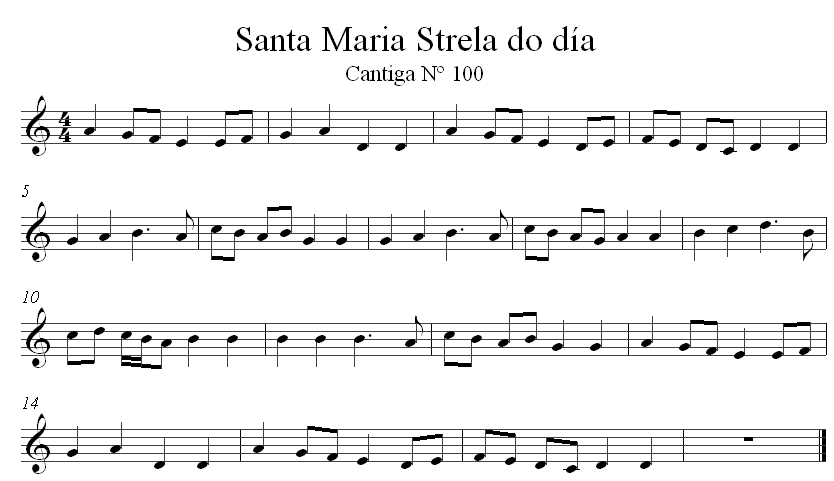
3) Together,
we will play the “cantiga” Santa María
Strela do Día by Alfonso X “el Sabio”. Instruments: recorder (students),
piano and guitar (teacher).
4) Some
videos related to the Middle Ages will be uploaded to the blog by the teacher.
The students must answer a series of questions focused on this topic.
5) Some
artistic images will be uploaded to the blog by the teacher, and the students
must answer a series of questions.
Deadline: around mid March.
* * *
1) What period does the Middle Ages cover?
2) What general characteristics does it have (according to the teacher’s comments)?
3) What is the main difference between “troubadours” and “minstrels”?
4) Pay attention to these two monuments (a Romanic church and a Gothic cathedral). What do their
different heights have in common with the music evolution of those centuries?


5) What do you feel looking at these
pictures (taken from the 19th century but directly linked to the
Middle Ages)? In your own opinion, what kind of music could accompany these
images?
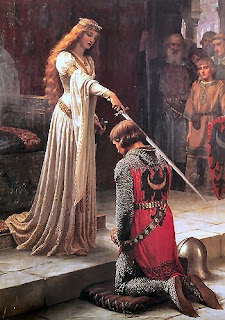
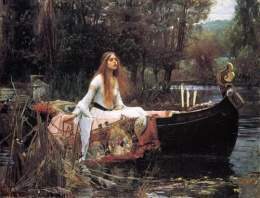


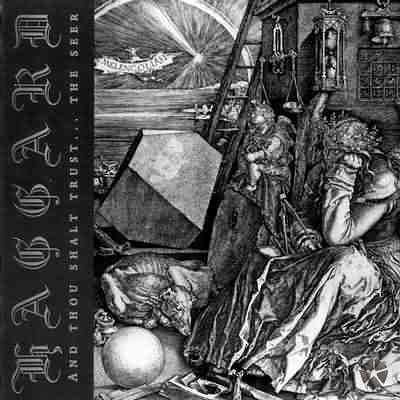
6) Why does Heavy Metal music love
this aesthetic?


7) This video explains the evolution
(intervals and so forth) of Middle Ages’
music such as we are playing in class.
8) This is the song we are playing
together in class.
9) Here you have the original score
and the adapted one (modern music language) that you are playing in class
(and at home I would like to believe). Have a look at their main differences.

Wednesday, 9 January 2019
G. SELF-ASSESSMENT (FIRST TERM)
1- WHAT CAN I DO THAT I COULDN'T DO BEFORE?
2- WHAT DO I LIKE MOST?
3- WHAT DO I DO WELL?
4- WHAT AM I CONFUSED ABOUT?
5- WHAT DO I NEED HELP WITH?
6- WHAT DO I DO IN ENGLISH AND/OR MUSIC OUTSIDE THE CLASS?
7- WHAT DO I NEED TO IMPROVE?
8- WHAT DID I LEARN ABOUT CULTURE?
2- WHAT DO I LIKE MOST?
3- WHAT DO I DO WELL?
4- WHAT AM I CONFUSED ABOUT?
5- WHAT DO I NEED HELP WITH?
6- WHAT DO I DO IN ENGLISH AND/OR MUSIC OUTSIDE THE CLASS?
7- WHAT DO I NEED TO IMPROVE?
8- WHAT DID I LEARN ABOUT CULTURE?
Wednesday, 24 October 2018
F. HALLOWEEN MUSIC
Would you like to listen to any kind of "Halloween Music" (a mix of Surf/Garage/Rockabilly/Gothic music)? "The Coffinshakers" is the finest group!!! (By the way, they come from Sweden):
...and here come the pioneers of Gothic Rock music. "The Cure", from UK (1981 guys!!, but don't fear the classics):
...and finally, something a bit more powerful in sound. "Him", from Finland:
Sunday, 23 September 2018
B. TO BEGIN WITH... (part II)
I introduce our friend Maple to you. This tender dog will be with us all the course long!
Subscribe to:
Posts (Atom)